WHEN YOUR DIARY IS FULL, AND THERE’S NO TIME FOR YOU
Make more time for the life you actually want
You can spend the whole day doing things and still get to bedtime without having done anything you actually wanted to do. Between responsibilities, recurring commitments and the habits you’ve stopped questioning, all your time can end up belonging to someone else.
Declutter Your Time → Let go of unnecessary commitments and make more time for the things you want to be doing.
You’re busy all day, but the things you want to do are still waiting
That book you want to read, the friend you said you’d catch up with, the broken light in the cupboard under the stairs you’ve been meaning to fix for months. You keep telling yourself you’ll find the time once everything else is done, but there’s always another commitment you have to fulfil.
What little free time you do have is burdened with other expectations. You should be exercising, meditating, building a business on the side, and/or making progress towards a goal, An empty evening is never really free, and the easiest solution is to sit in front of the TV and put it all off until tomorrow.
Meanwhile, activities you no longer enjoy remain in your diary because you’ve always done them.
Your diary can become as cluttered as your cupboards
Something you once thought you would enjoy can become a weekly obligation you dread, while old hobbies add to the mental load of things you should be doing and aren’t.
This course helps you look at all your accumulated commitments and ask whether they still fit.
Find out what’s filling your days before deciding what to change
You’ll review your hobbies and regular commitments, including the things you do for other people and the interests you still think of as yours even though you haven’t pursued them for years.
Then you’ll use the time diary to record roughly how you spend three days. Work, sleep, travel, household jobs, leisure and the smaller activities between them all contribute to the way you spend your day and therefore your life.
From here you can consider what needs to change, and how you can change it.
More time for the people and things you love
Time with your family, an afternoon outdoors or a quiet hour with nothing planned can easily get squeezed out by too many other commitments. By decluttering your time, you can begin making room for the moments you’d like more of and enjoy them without always rushing off to the next obligation.

Create more space for family time

Edit your schedule so you can relax, not rush
What’s inside the course
✅ Seven core lessons on simplifying what takes up your time
1. How Many Hobbies Do You Actually Have?
Make an inventory of your interests and distinguish between the ones you actively enjoy, those you pursue occasionally and those you’ve finished with, so you can see what you realistically want to give time to.
2. Stuff From The Person You Used To Be
Look at possessions connected to old interests and consider whether you genuinely want to return to them, or whether you’ve simply become accustomed to thinking of them as part of who you are.
3. How Many Commitments Do You Have?
Review your regular responsibilities and arrangements, including the things you do for others, and explore whether they fit your values and ask a reasonable amount of your time and energy.
4. Wasted Time Is Another Form Of Clutter
Use a three-day time diary to see where your hours go, including travel, social media and smaller activities that are easy to overlook, without turning the exercise into self-criticism or negative judgement.
5. Make Your Schedule Easier To Live With
Choose a commitment you’d like to change and consider whether you could stop, reduce, share or reorganise it, then identify a realistic first step.
6. Self-care, Idle Time, And The Need To Do Nothing
Explore what you actually find restful and enjoyable, and look for a pocket of time you could use differently without adding another obligation.
7. Making Room For What Actually Matters
Bring your observations together, decide what you want more time for and choose a practical change to move towards a schedule that works better for you.
✅ A three-day time diary
Record roughly how you spend your days using a printable PDF or an interactive Google Sheet. The diary uses 15-minute intervals, but you don’t need perfect accuracy; you’re looking for a useful picture of where your time goes.
✅ Practical exercises throughout
Build a hobby inventory, review your commitments and work through prompts about what you enjoy, what drains your energy and what you might be ready to stop doing.
✅ Guidance and further reading
The course also includes a welcome, before-you-begin guidance, an introduction, final words and a resources section with further articles on simplifying your life.
A little bit about me
I’m a busy mum of three, a certified 200-hour yoga teacher, and a former software engineer. Over the years, I’ve collected plenty of interests, plans and commitments that seemed like a good idea at the time. What I eventually learned (the hard way) is that a commitment can be valuable and still be a poor fit for me.
I have always had lots of interests and hobbies, as well as working full-time. By the time I had three children, fitting everything I wanted to do into my week became completely impossible. Learning to look objectively at how I spent my time enabled me to change my schedule for the better. The knock-on effect of those changes are being a happier mum, and feeling like I am living a life I have chosen, rather than one that has been laid out by default.
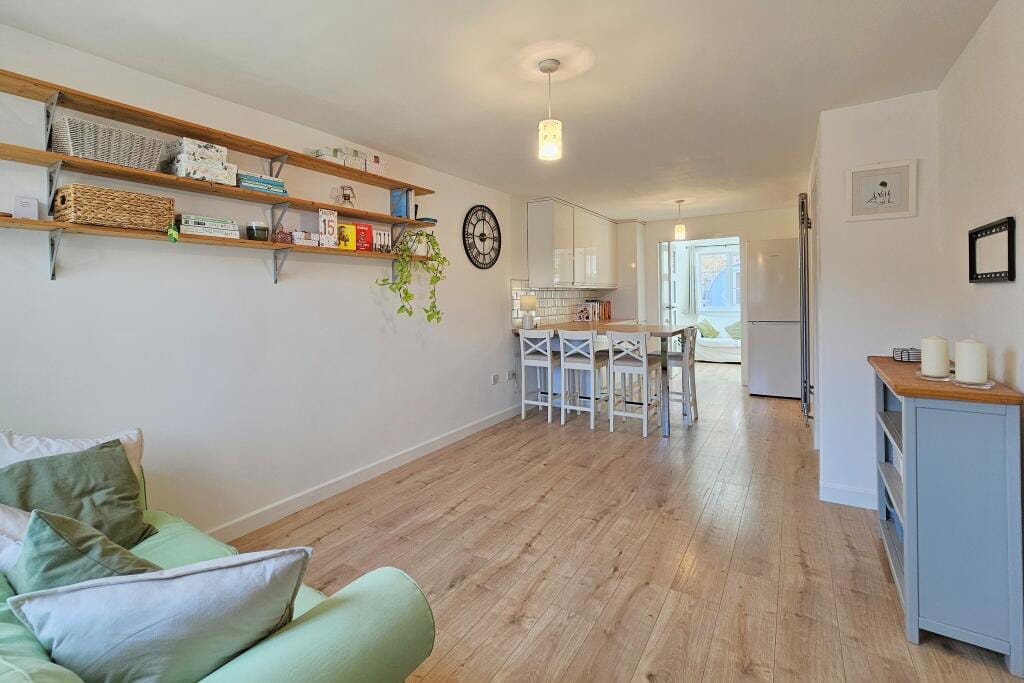
Your home can be completely decluttered – but what about your schedule?
“Most of my responsibilities aren’t optional.”
The course recognises that work, family and household responsibilities can take up a large part of your life. You’ll look at what you can realistically change, and work with the remaining time you have.
“Other people depend on me.”
Changing a commitment doesn’t mean abandoning it overnight. The lessons encourage you to consider what you can reasonably offer, give notice where needed and make arrangements for someone else to take over if appropriate.
“I don’t have time to track every minute.”
The time diary is an approximate record for three days, and you can use whichever format suits you. Its purpose is to reveal patterns and the activities taking up most of your time, rather than producing a perfectly detailed account.
14-day money-back guarantee
If you are not happy for any reason, just email me at faye@fayewilliams.com within 14 days for a full refund.
Declutter Your Time
£7 for instant access to the course.
You don’t just need less stuff, you need less commitments to manage. Get curious about where your time goes and take the first steps in claiming it back.
Get Declutter Your Time for £7 today. The price may increase in future.
