FOR THE THINGS YOU KEEP PUTTING BACK
You know you don’t use it. So why can’t you let it go?
You don’t need someone telling you to get rid of everything. You need to understand why the decision feels so difficult. This course helps you understand the reluctance to part with sentimental clutter and it won’t demand that you declutter anything before you are ready.
The Stuff You Can’t Let Go Of → A practical, text-based course to help you understand what you’re holding onto, decide what belongs in your life now, and how to let go when you’re ready.
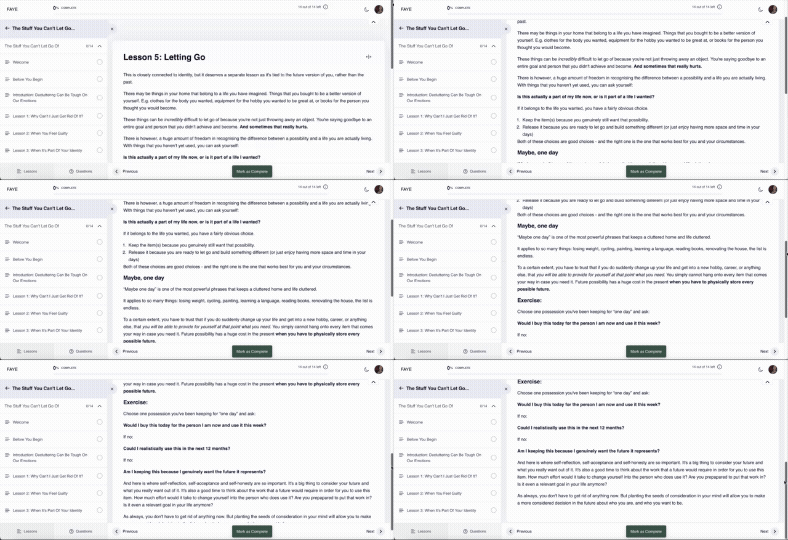
“Have I used it in the last year?” only gets you so far
You haven’t worn it in years, you don’t particularly like it and you probably wouldn’t buy it today. But it was expensive, somebody gave it to you or you used to love it, so letting go of it still feels difficult.
Then there’s the possibility that you might need it some day. By the time you’ve considered everything, you’ve talked yourself out of the decision and put it back where it came from.
The next time you declutter, you have the same conversation with yourself about the same object. You know the usual advice and you might have cleared plenty of other things, but these are the possessions you can’t seem to move.
The real reasons stopping you decluttering
Sometimes you’re holding onto money you wish you hadn’t spent, a connection to someone important or a version of yourself that no longer exists. Sometimes the object represents a future you imagined, and getting rid of it feels like giving up on that possibility.
That’s why this course starts with a different question: what am I finding difficult about this decision?
Understanding the answer gives you something more useful to consider than repeatedly asking whether you’ve used it recently.
Understand the feelings before you make the decision
This course helps you notice the difference between the memories you enjoy living with and the reminders you no longer want around you. You can value your past without keeping every physical reminder of it.
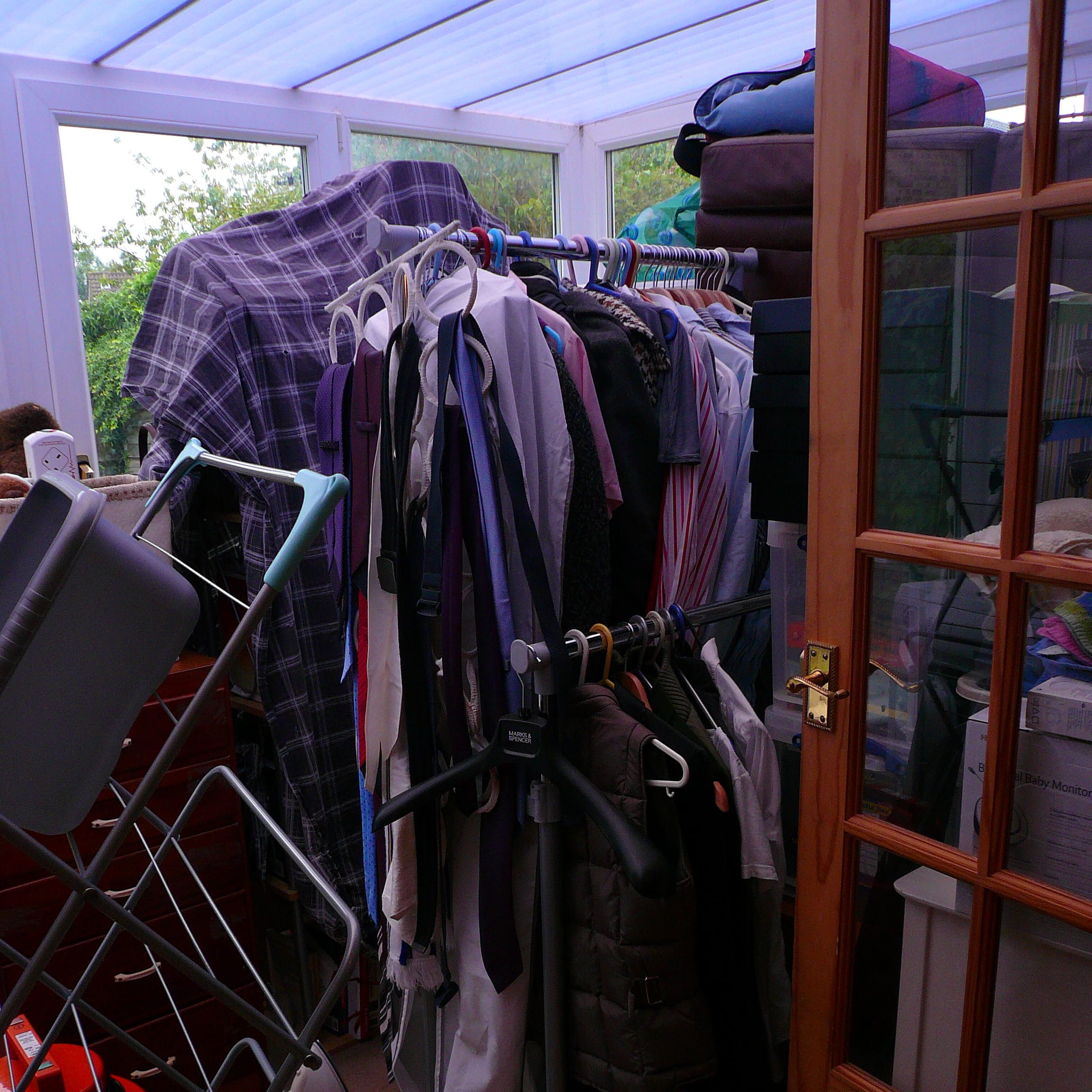
Same room

Before and after decluttering
What’s inside the course
✅ Nine core lessons on the things that make decluttering difficult
1. Why Can’t I Just Get Rid Of It?
Understand why an apparently simple decision about a possession can become difficult, and begin recognising the emotions underneath your reasons for keeping it.
2. When You Feel Guilty
Explore the guilt attached to expensive purchases, unwanted gifts and things you feel you should have used more, then consider whether keeping them makes your life better or worse.
3. When It’s Part Of Your Identity
Look at belongings connected to who you used to be or who you thought you should become, and consider whether those identities still have a place in your current life.
4. The Void
Notice the urge to fill newly cleared space and explore what you’re looking for when you want to buy more, whether that’s comfort, distraction, excitement or something else.
5. Letting Go
Work through the possessions you’re saving for “one day”, including hobbies and plans that may no longer fit, and decide which possibilities you still want to make room for.
6. Going Around In Circles
Try a writing exercise for thoughts you keep revisiting, alongside a practice for noticing what is already good and valuable in your life.
7. Self Acceptance Makes Decluttering Easier
Build a clearer picture of your preferences, values and priorities so you have something to refer to when deciding what to keep, let go of or stop buying.
8. When You’re Ready To Let Go
Keep the next step simple and complete the decision by donating, selling, recycling or returning the item, so things you’ve decided to release actually leave your home.
9. Keep The Items That Feel Good
Explore the difference between sentimental possessions that bring you happiness and reminders that repeatedly make you feel guilty, sad or self-critical.
✅ Practical exercises throughout
Questions and sentence prompts help you apply the lessons to your own belongings, rather than simply reading about decluttering. You can use a notebook and start with one item, without needing to tackle a whole room.
✅ A downloadable difficult decision checklist
Keep eleven useful questions to return to whenever you’re unsure about a possession, so you have somewhere to begin when the same familiar doubts appear.
✅ Introduction, guidance and further reading
Alongside the nine core lessons, you’ll find a welcome, before-you-begin guidance, an introduction, final words and a resources section with links to further articles.
A little bit about me
I’m a busy mum of three, a certified 200-hour yoga teacher, and a former software engineer. I grew up in a house where we saved everything “just in case”. Dealing with my own hoarding habits took years and I went through every emotion imaginable trying to understand why it was so hard for me to let go of things.
I have lived a more minimalist lifestyle for many years since then and I have never reverted back to hoarding as I used to when younger. It has changed my life for the better in so many ways, and I want to help others realise the potential they can unlock if they can get control of their environment and free up time and space to do the things they really want to do.
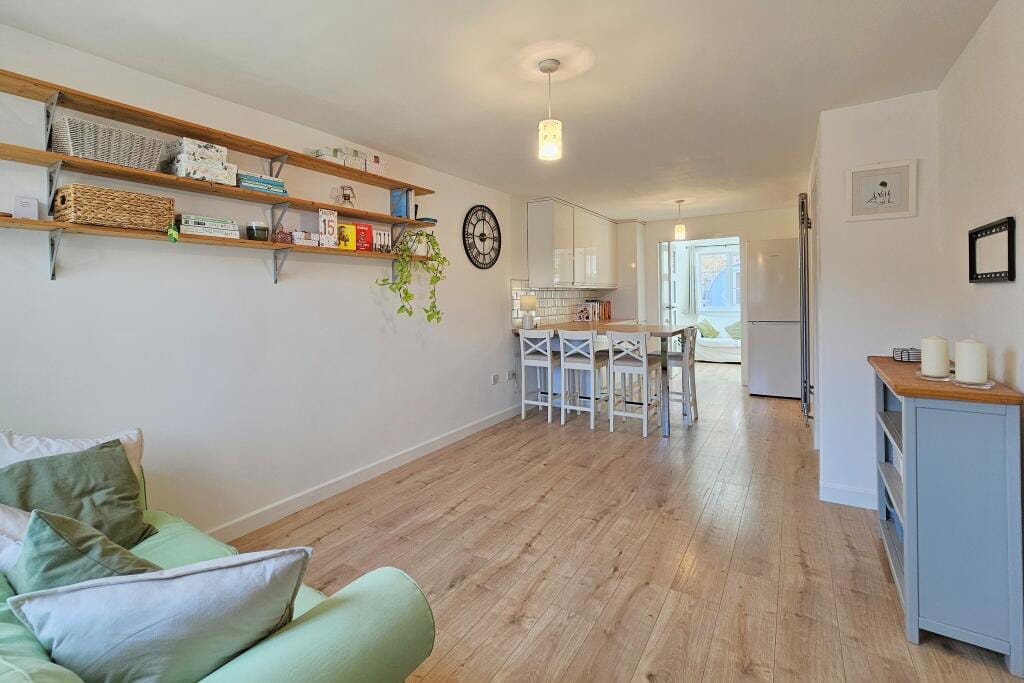
My home of 19 years: keeping a house uncluttered and peaceful gives you more space to enjoy life.
“I don’t want to get rid of everything.”
You don’t have to, because the course is about recognising what matters to you and choosing what you want to live with. Things you use, love or enjoy can stay, including sentimental possessions that have no practical purpose.
“I’ve tried decluttering before.”
If you can clear ordinary clutter but repeatedly get stuck on gifts, memories or “maybe one day” possessions, these lessons help you explore why those decisions are harder. You’ll look at the reasons behind keeping something, rather than returning to the same question about whether you use it.
“What if I regret letting something go?”
The course gives you questions to consider before you act, so you can examine what an item means to you and what keeping it adds to your life. Understanding why you’re holding onto it comes first, and the decision on whether to let it go comes when you are ready.
14-day money-back guarantee
If you are not happy for any reason, just email me at faye@fayewilliams.com within 14 days for a full refund.
The Stuff You Can’t Let Go Of
£7 for instant access to the course.
You don’t have to sort out your whole home today. Start understanding your attachment to items and the rest will follow naturally in time.
Get The Stuff You Can’t Let Go Of for £7 today. The price may increase in future.
